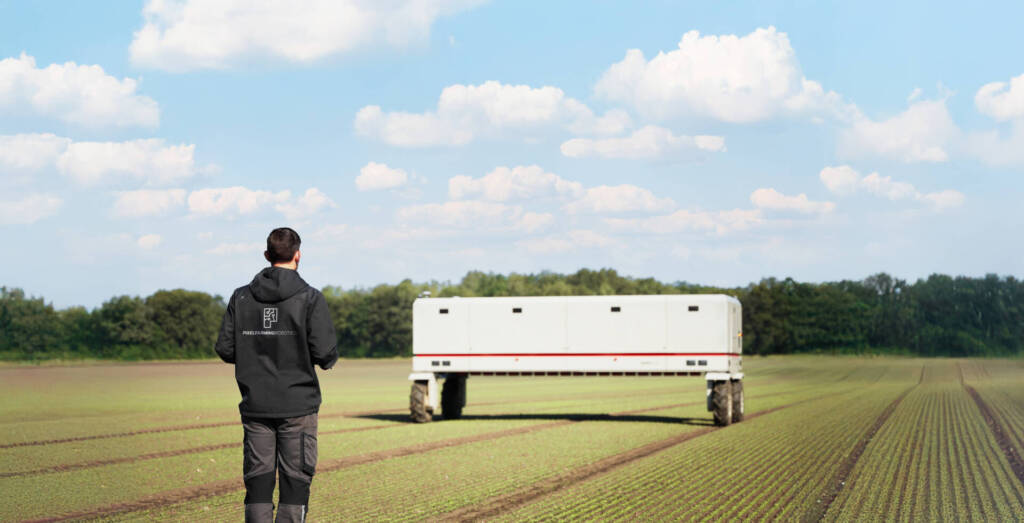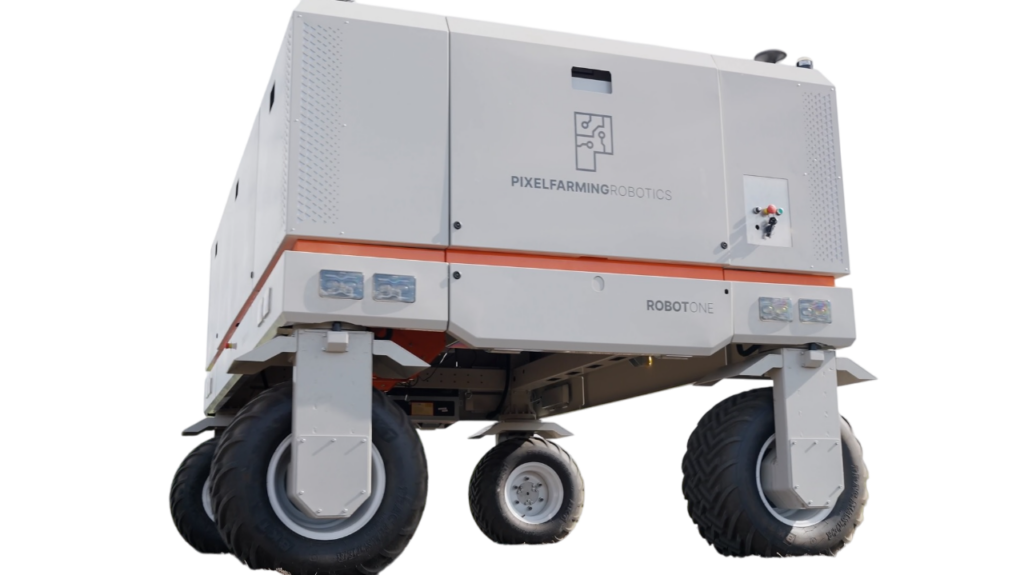
Robot One
Tackling weeds early on.
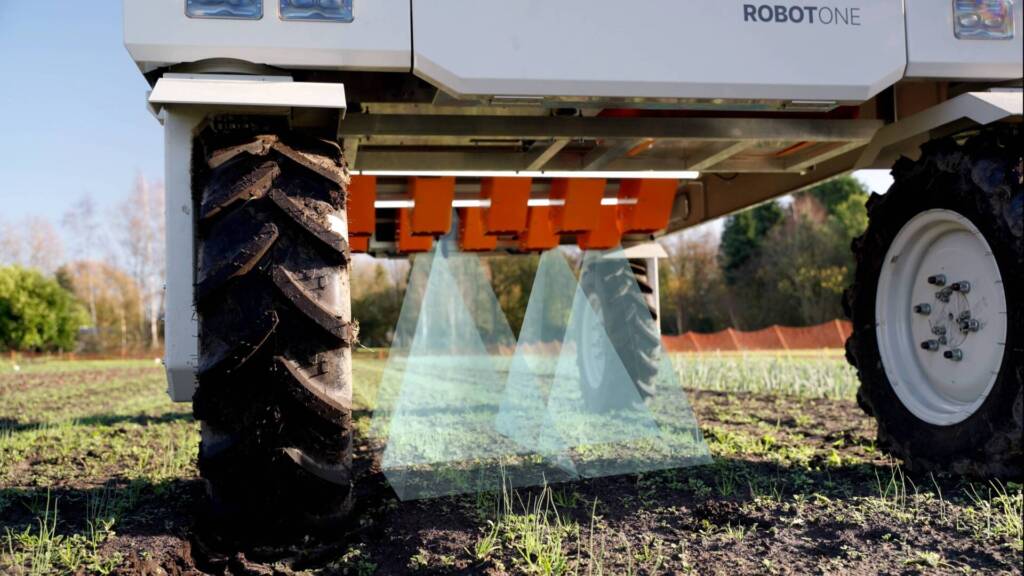
Robot One is equipped with high-power laser modules to eliminate weeds. These lasers modules use a concentrated beam of light to boil the water in plant cells, causing plant cells to burst apart, creating an exothermic reaction that generates heat, effectively eliminating the plant. The lasers are most effective in the two-leaf stadium of the weed, due to the perfect balance between the energy usage and the ability to detect the plant.
Want to learn more about our laser modules? Click the button below to learn more!

Works in multiple crops
Robot One is designed to work with a wide variety of crops. Its customizability and modular design allow it to operate in different track widths and heights.
Crops we've worked with
- Spinach
- Babyleaf
- Chicory
- Onion
- Leek
- Fine herbs
Scan & Act
The steps for successful weed control
Step 1
Scan
Use Robot One to make a scan of the first 100 meters of your field. Robot One will record multiple images as data for the training of the plantmodels, used to detect your crops and weeds. The data can be transferred via Wi-Fi to the Pixelfarming Academy for further processing.
Step 2
Train
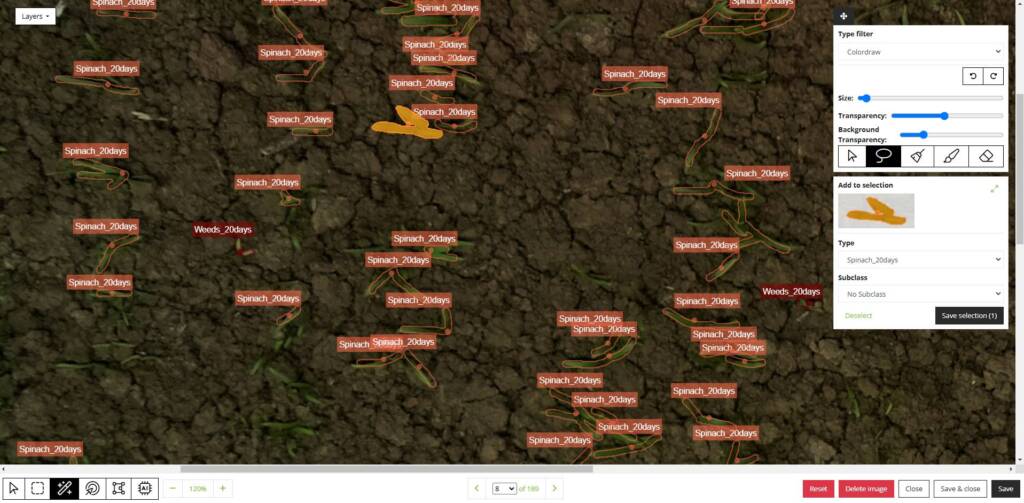
In the Pixelfarming Academy you can start training your plantmodel. Open the images shot on your field and start labeling. Create different labels for each plant species. After you have labeled the plants, you can start training the algorithm to create a plantmodel.
Step 3
Act
After training and validating your plantmodel you can start acting. Robot One will drive in a set pace over your crop. In the meantime it will detect the plants and direct the laser toward the plants you have determined to be weeds. Depending on the chosen laser strategy, your weeds will burn away in seconds.

Features
Discover what Robot One can do for you
Configurable Trackwidth
Turn the wheelunits to open up new working widths
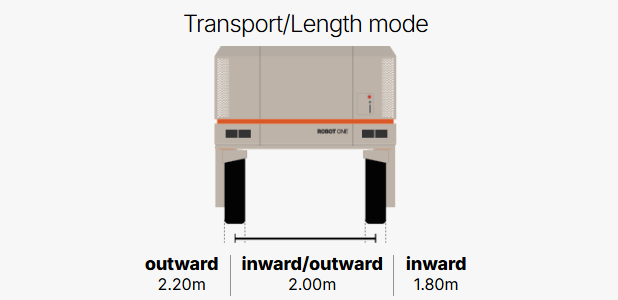
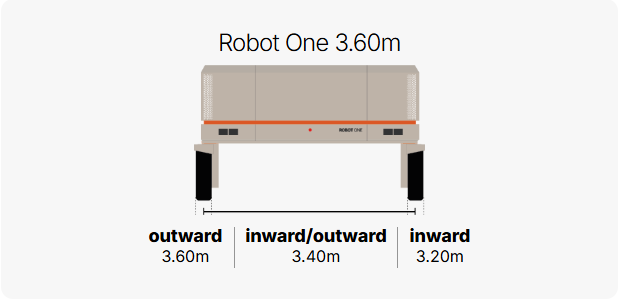
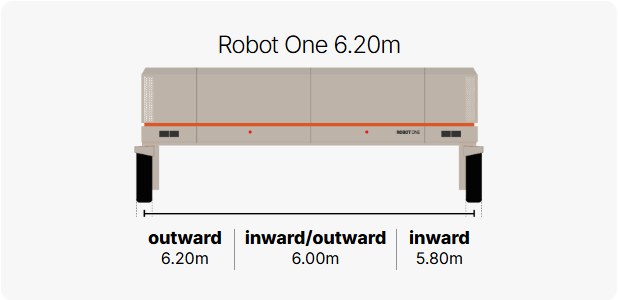
The Robot can be operated in different trackwidhts. Robot One is equiped with weelunits that turn 360 degrees to achieve multiple trackwidths. This ensures that Robot One is able to drive over multiple bedwiths. By using the length/transport mode your robot is able to work on smaller beds and is easily transported on a trailer.
Depending on the tire configuration and the addition of spacers, even more trackwidths are possible.
Solar Powered
Let the sun power your robot while its working
Robot One is equipped with solar panels on it’s roof that will recharge it’s batteries on sunny days! The solarpanels deliver enough energy to power the robots driving and computing systems.
The number of solar panels on the robot depends on the configuration of Robot One.
Full Electric Drive
Turn the wheelunits to open up new working widths
Robot One’s drivetrain is fully electric. It’s motors can deliver the high torque that is needed to traverse more challenging soil types. This power is supplied by four 48V rechargable batteries. These batteries can be recharged by simply plugging in the charging cable. Our charger can be used on standard 220V-230V outlets.
During operation, the robot can recieve power from two other sources. The solar panels on top deliver sufficient power to run the driving and computing actions of the robot. For operations with multiple lasers, a diesel range extender is recommended. This allows Robot One to charge the batteries while it is in operation, reducing downtime and allowing you to operate all day long.
Range Extender
Let the sun power your robot while its working
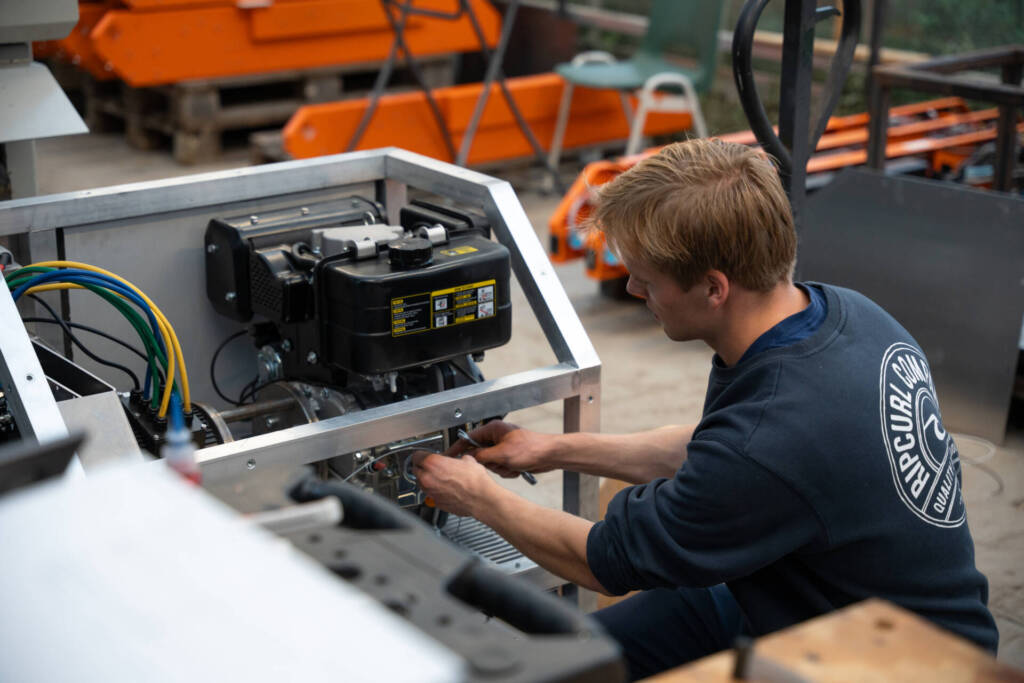
Robot One primarily operates all-electric with its batteries and solar panels, but can be fitted with a range extender to enhance its working capacity. The range extender consists of a small diesel engine with a large fuel tank that recharge the batteries. This reduction in downtime allows you to operate all day long.
The modular design of the robot allows the range extender to be intergrated onto the frame of the robot. Aside from its exhaust it will not be visible from the outside.
Modular Design
Extend the range and time of your operation
Robot One is designed with upgradability and modularity in mind. Due to the fast development of our technologies it is essential to have the oppurtunity to update to an improved version in the future. Parts like lasers, cameras, batteries and range extenders are easily replaced or swapped by a trained mechanic.
Configurable Tires
Different soil means different tires.
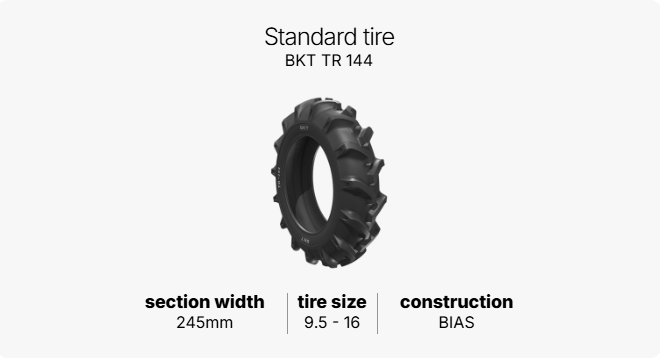
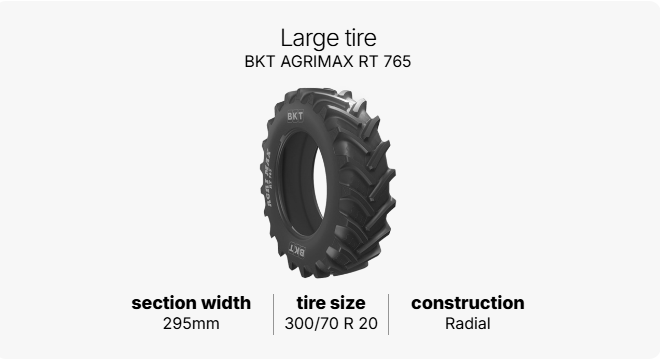
Different regions, varying soil types and climates require a modular and adjustable machine. This also applies to the tires. By default Robot One is fitted with four of our standard tires, which are suitable for most environments. We also offer a larger tire for conditions that require larger surface contact.
It is possible to customise the tires to allow Robot One to work optimally on your fields
Tire configuration
Work Autonomously
Discover how Robot One fits within your operation
With the use of GPS and RTK, Robot One is able to work autonomously. Define your fields on the remote controller and Robot One will calculate the route on the field, even turning on its own. A field is defined using 4 corner markers. With this the field heading can be determined. Geofences can be defined in the Pixelfarming Academy. These geofences prevent Robot One from driving in unwanted directions.
To operate autonomously, we require that there should always be supervision by a qualified operator. Regulation on autonomous operation of machines differs per region. Please consult a legal expert about this for your situation.
Open plant detection sytem
Extend the range and time of your operation
Create and train your own plantmodels with Robot One and the Pixelfarming Academy. Nobody wants to be dependent on a bigger party to make the models for them. We want you to be the owner of the data you collect, including the plant models and other data you collect with your robot.
Collect images by scanning, create your own plantmodels and share on your terms.
Onboarding Program
The onboarding program ensures that Robot One becomes an effective tool for your farm. After delivery of Robot One you will have two years of onboaring. The first steps are to train you how to operate Robot One effectively.
Delivery & First Steps
After your robot has been delivered, our team will guide you through the essential first steps to get started. After delivery, we will be there to help you practice with Robot One directly in your fields, ensuring you feel comfortable and ready to use it.
Pixelfarming Academy
In addition to learning how to work with Robot One, you will also learn how to work with the online platform called Pixelfarming Academy. During these training sessions, our team will take you through the platform and guide you in creating your own plant models.
Implementation
Your onboarding journey ends the final training, where we ensures the successful deployment of Robot One as a co-worker within your farm. This is assessed through an exam, taken by either you or your associate. Passing the exam certifies you or your associate to operate your configuration of Robot One.
Steps to Success
Of course we want you and Robot One to succeed. This will require some effort. During the onboarding program we will have intensive collaboration with you and your robot team. For a succesful implementation of Robot One into your company, you will need a motivated team that can operate the robot and manage the fields.
Scan 100m of a field in an early two-leaf stadium of the crop.
Create a plantmodel by labeling the images in the academy. In the meantime continue making scanruns throughout the different growth stages.
Sow a follow-up cultivation about 2 weeks later. Use this new field to validate the plantmodels trained earlier.
Creating models and validating them will take some time and effort. If successful you are ready to start lasering weeds.